Road Rage Psychology

Ethan Sullivan
| 11-06-2026
 · Vehicle Team
Have you ever felt your grip tighten on the steering wheel when another driver cuts you off? Or noticed your frustration rising as traffic slows to a crawl?
These reactions are common among drivers. While road rage is often viewed as a momentary loss of temper, it is usually the result of deeper emotional and psychological factors. Understanding why anger develops behind the wheel can help drivers respond more calmly, improve road safety, and create a more positive driving experience.
What's Happening Behind the Anger?
Road rage rarely begins with a single traffic incident. In many cases, it is the result of accumulated stress, fatigue, anxiety, or frustration from everyday life. When people are already feeling overwhelmed, even minor inconveniences on the road can trigger a stronger emotional response than the situation warrants.
Psychologists often describe anger as a secondary emotion because it can mask underlying feelings such as stress, disappointment, fear, or frustration. As a result, a driver's reaction may be influenced less by the actions of another motorist and more by emotional pressures that existed before the journey even began.
Individuals experiencing elevated stress levels may also have a lower tolerance for frustration, making them more likely to react negatively to unexpected situations. In these moments, driving becomes the setting where existing emotions surface rather than the true source of the problem.

Why Small Incidents Feel So Personal
A common feature of road rage is the tendency to interpret another driver's actions as intentional. A vehicle changing lanes abruptly, failing to signal, or moving slowly can sometimes feel like a personal slight.
However, many driving mistakes are the result of distraction, misjudgment, unfamiliarity with the road, or simple human error. Assuming negative intent can intensify anger and lead to unnecessary conflict.
Developing a more balanced perspective can help reduce emotional reactions. Recognizing that most driving mistakes are unintentional allows drivers to respond with greater patience and composure.
Practical Strategies for Staying Calm
Managing road rage begins with recognizing emotional triggers and responding thoughtfully rather than impulsively.
Practice controlled breathing. Slow, deep breaths can help reduce tension and restore focus during stressful situations.
Pause before reacting. Counting to ten gives the mind time to process the situation and prevents emotional responses from taking control.
Create a relaxing driving environment. Listening to calming music or informative audio content can help maintain a positive mindset during the journey.
Avoid taking things personally. Remember that other drivers may be dealing with circumstances that are not visible to you.
Manage stress outside the vehicle. Regular exercise, adequate rest, and healthy stress-management habits can improve emotional resilience and reduce the likelihood of aggressive reactions while driving.
The Benefits of a Calm Driving Mindset
Maintaining composure behind the wheel offers benefits that extend beyond personal well-being. Calm drivers tend to make better decisions, remain more focused on road conditions, and contribute to a safer driving environment for everyone.
Patience does not mean ignoring poor driving behavior. Instead, it means choosing a response that prioritizes safety, self-control, and good judgment.
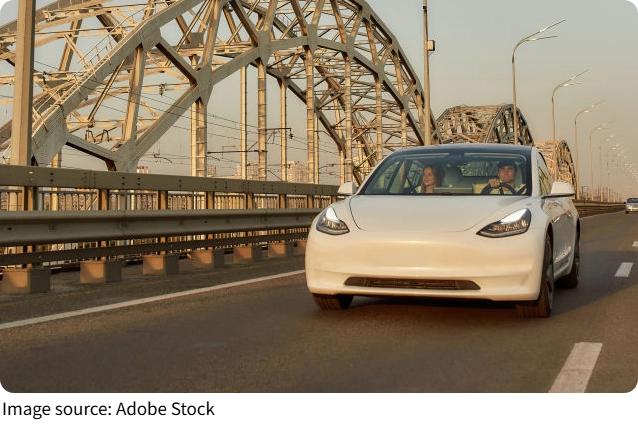
Road rage is often less about traffic and more about how individuals respond to stress, frustration, and unexpected situations. By understanding the psychological factors behind anger and practicing simple techniques to stay composed, drivers can improve both their safety and their overall driving experience. A calm and mindful approach to driving not only reduces stress but also helps create safer and more respectful roads for everyone.